
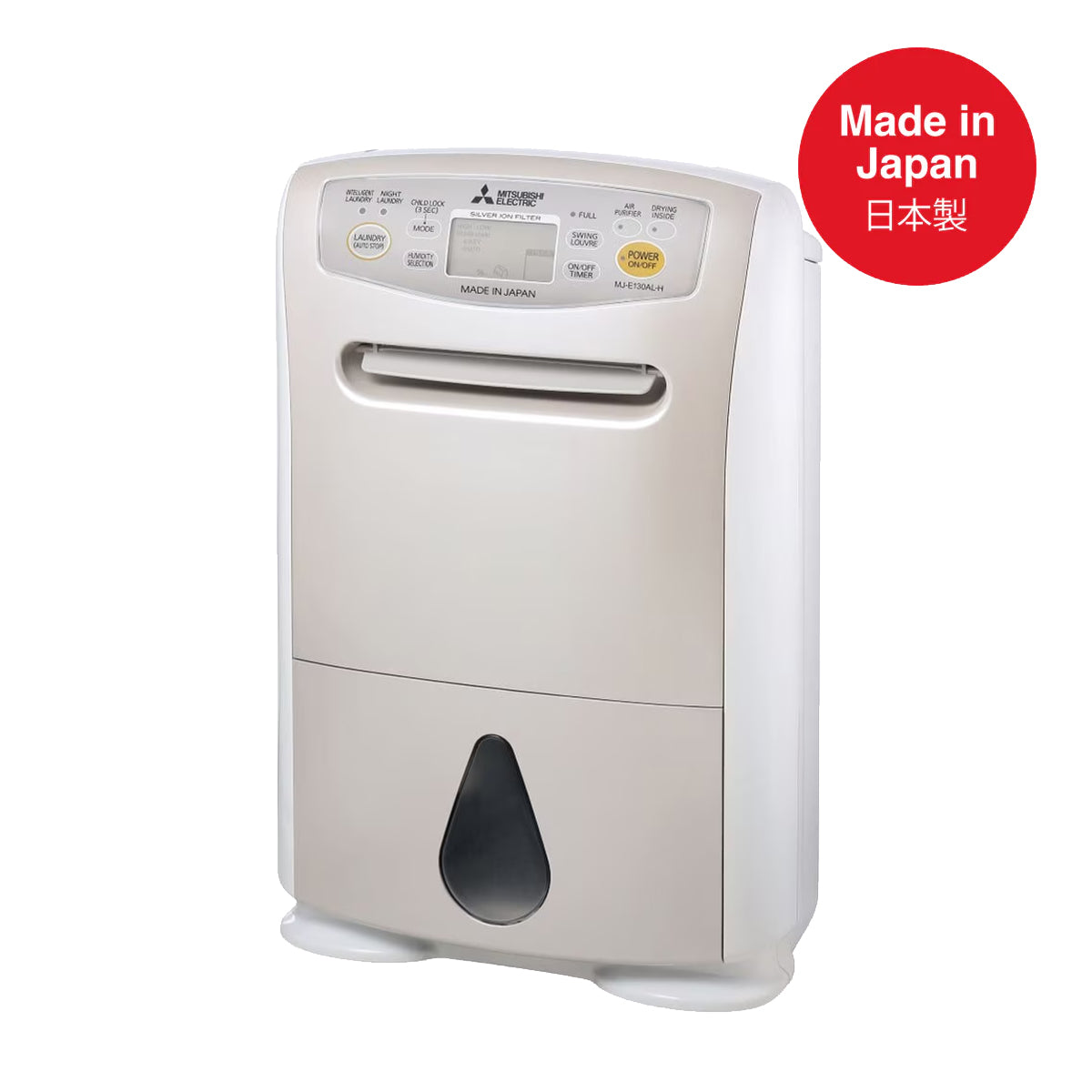
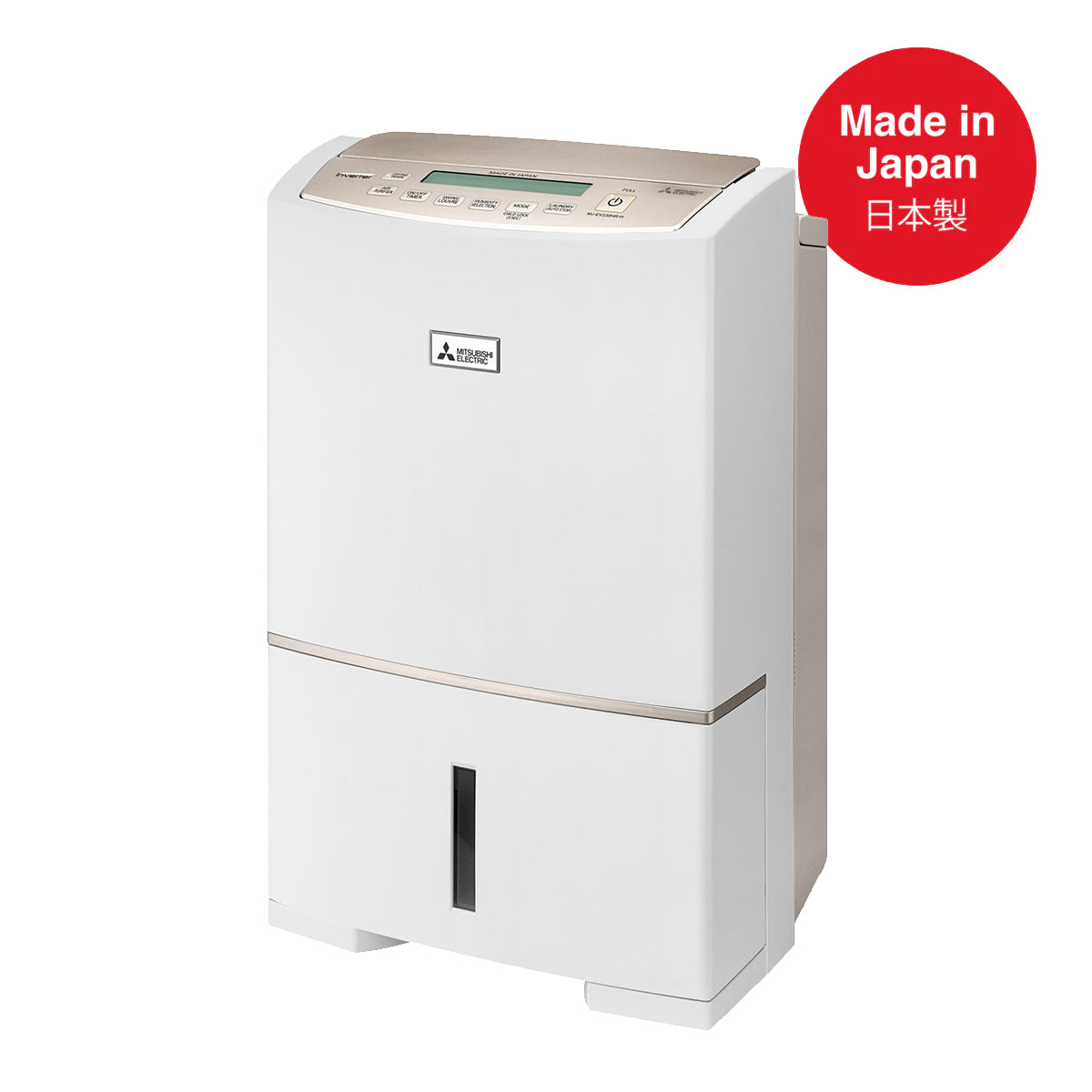
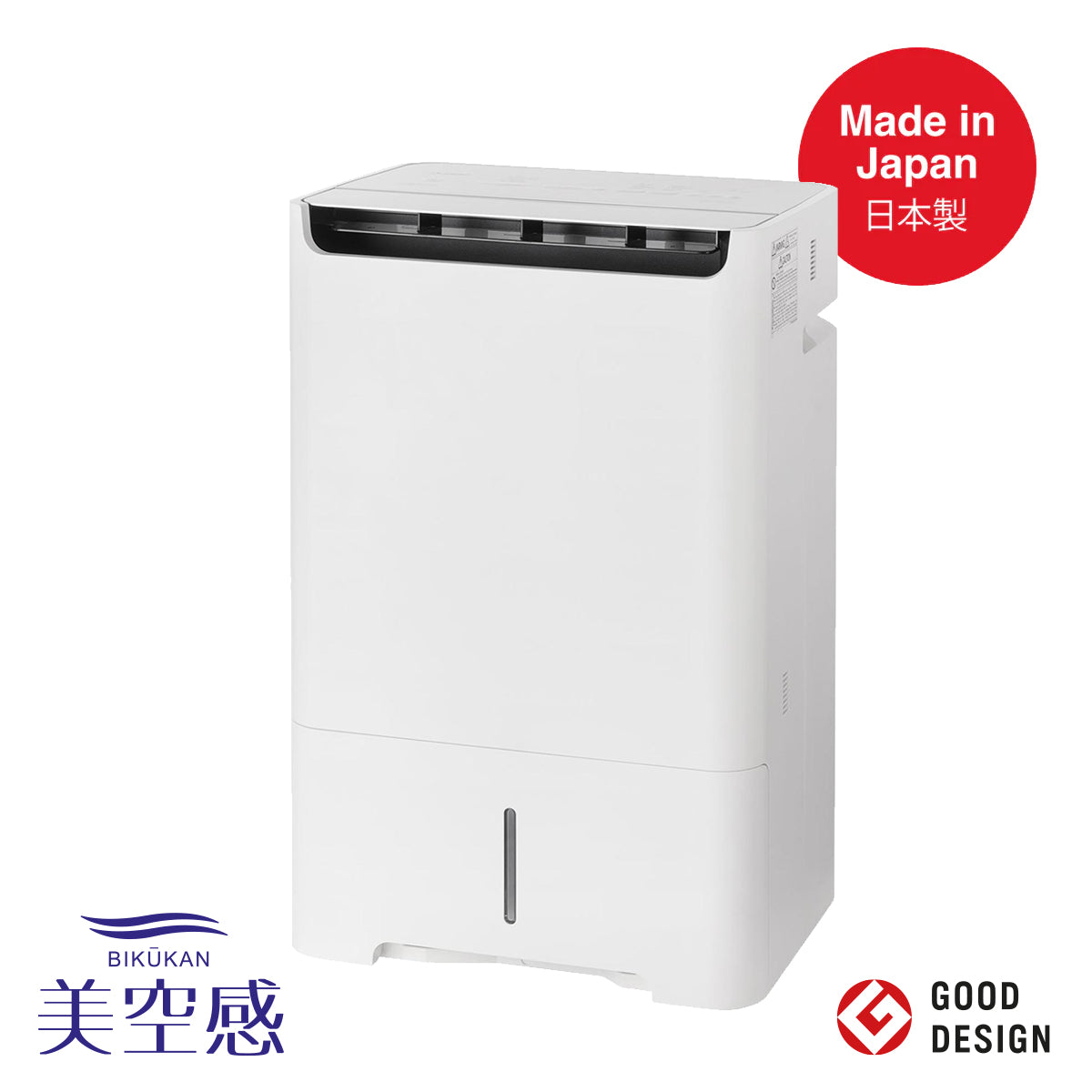
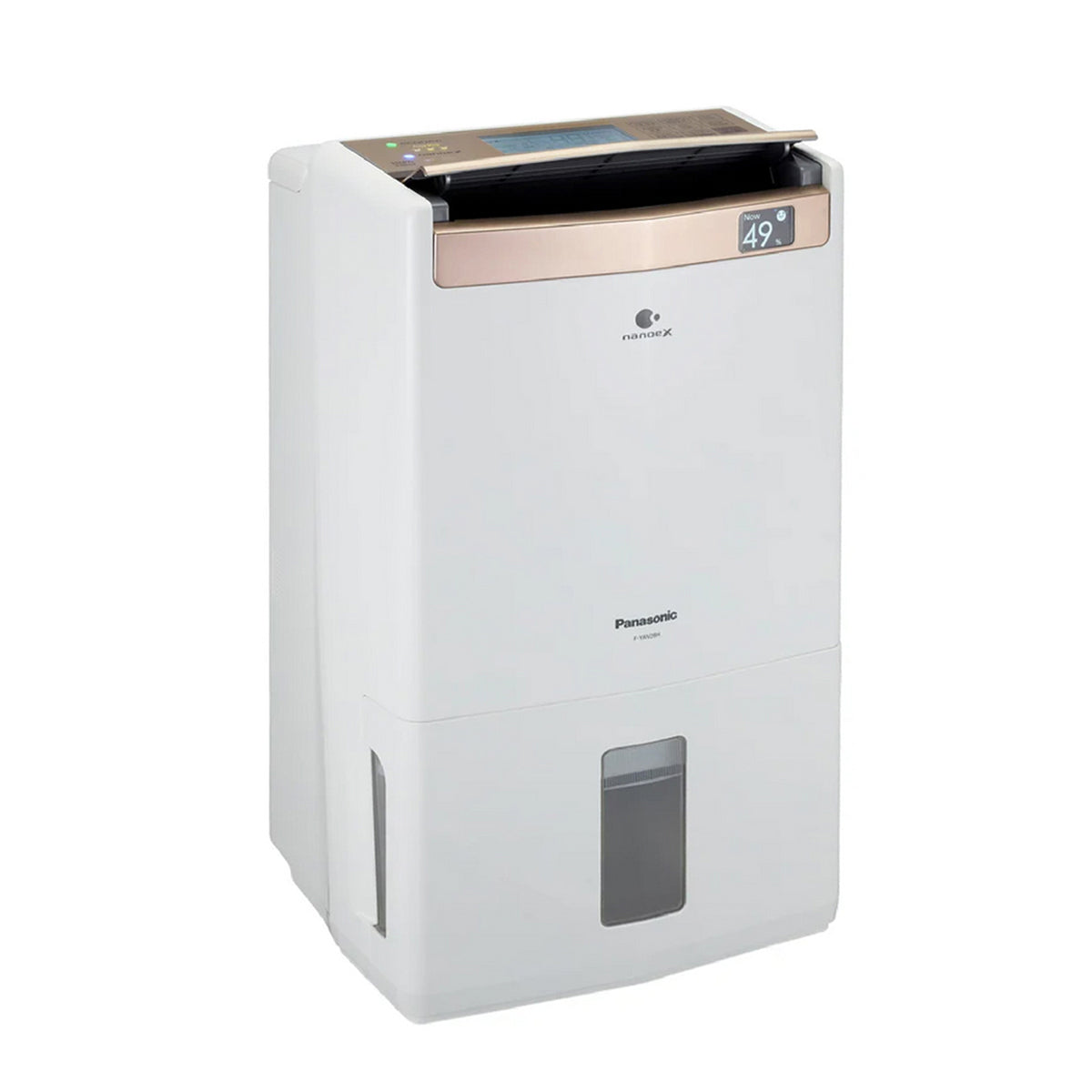
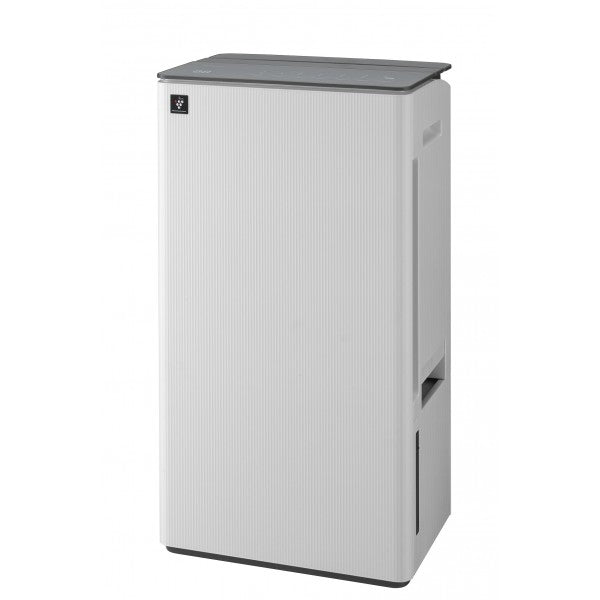
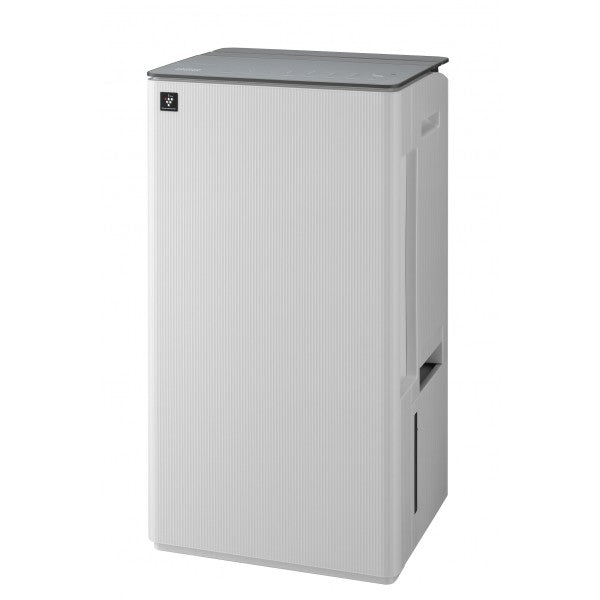
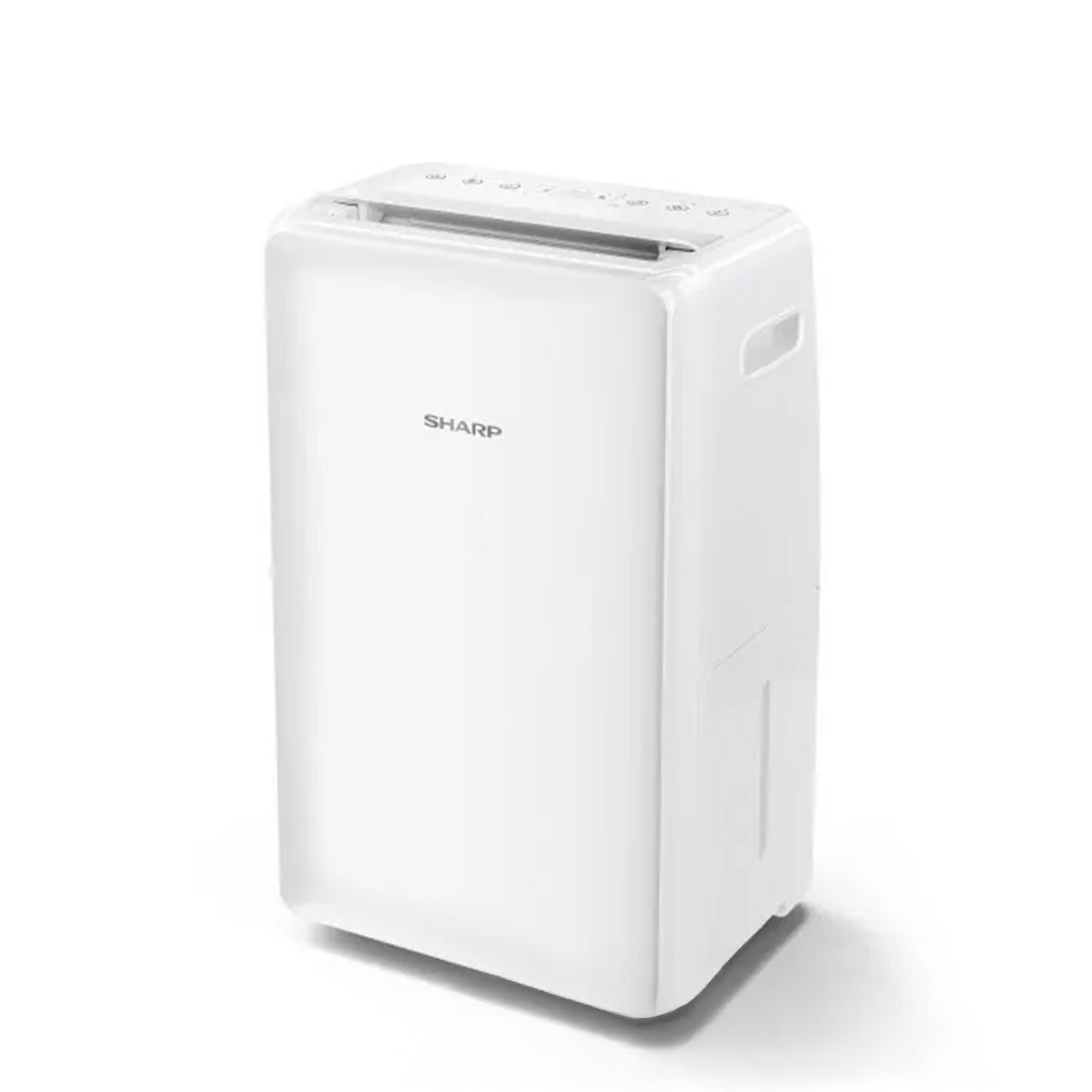
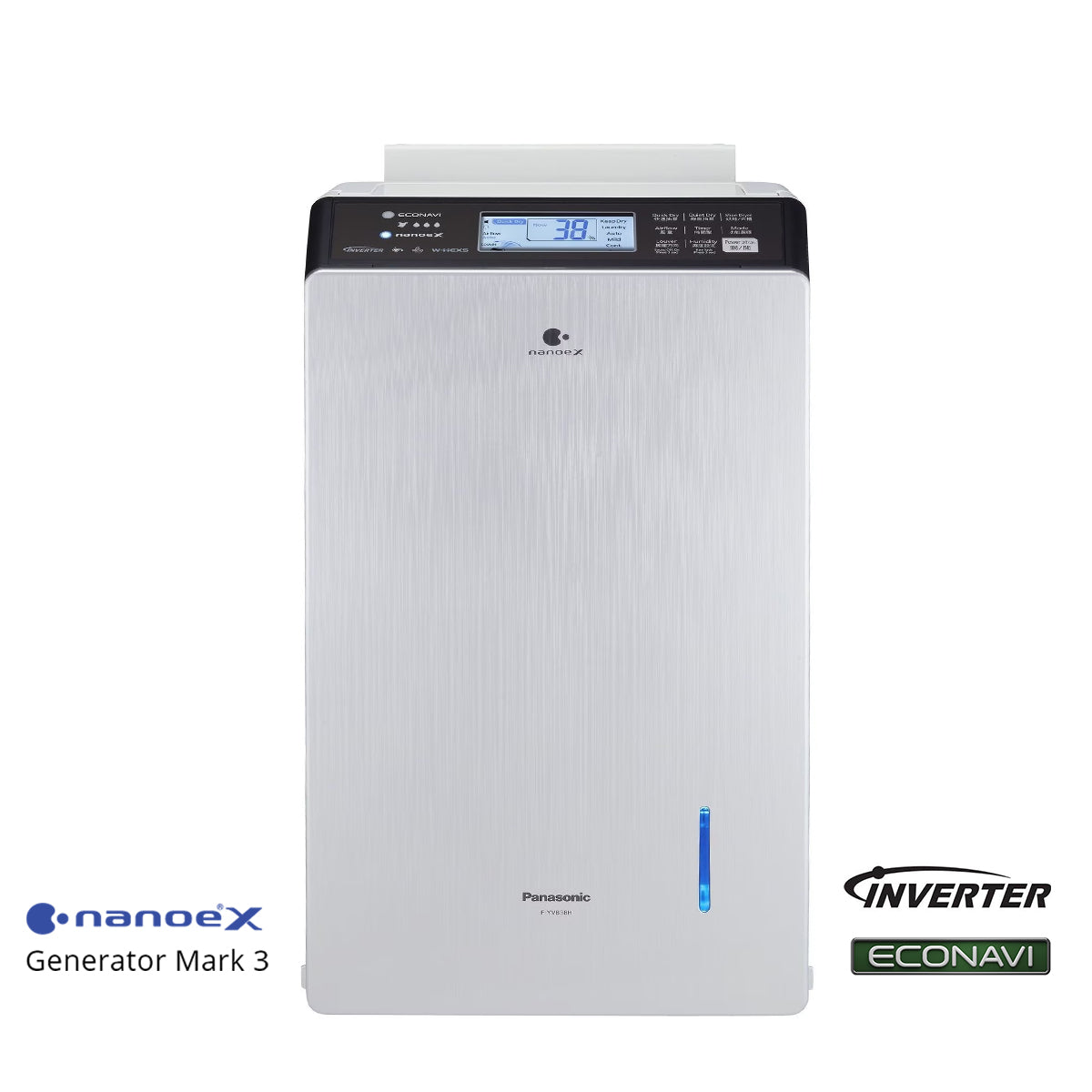
How to Choose a Dehumidifier
Britain's damp winters bring condensation, mould and washing that never quite dries. Japan has engineered around the same problem for decades — here's how to pick the right model for your home.
New to dehumidifiers? Read our Best Japanese Dehumidifiers UK buying guide for help choosing.
1. By capacity
Capacity is quoted in litres of moisture removed per day — not tank size. As a rough UK guide:
- 10–13L/day — one or two bedrooms, a small flat, or a single damp room.
- 14–17L/day — a typical three-bedroom house.
- 23L/day and above — larger or persistently damp properties, or drying laundry indoors every day.
If your main reason is drying washing, size up: laundry mode works the machine hardest.
2. Compressor, hybrid or air-purifying
Compressor models are the most energy-efficient choice in a heated home and run quietly — ideal for bedrooms and living rooms. Hybrid and inverter models switch method according to room temperature, so they keep working in an unheated garage, conservatory or utility room in mid-winter. Air-purifying models, such as the Mitsubishi BIKUKAN series, add filtration so one appliance handles both damp and airborne dust or pollen.
3. Set up in the UK
Every dehumidifier we sell is genuine 220–240V with a fitted UK 3-pin plug — no transformer or adapter needed. All models are free-standing on castors or a carry handle, so there is nothing to install: unpack, plug in and switch on.
For most UK homes, 10–13L/day suits one or two bedrooms or a small flat, 14–17L/day suits a typical three-bedroom house, and 23L/day or more suits larger or persistently damp properties. The figure refers to litres of moisture removed per day, not the size of the water tank. If you plan to dry laundry indoors regularly, choose one size up.
Multiply the model's wattage by your electricity unit rate. The dehumidifiers here draw roughly 175W to 440W depending on model and conditions, so a 200W unit running for an hour uses 0.2 kWh. Compressor and inverter models cycle off once the target humidity is reached, so real-world running cost is usually well below continuous operation.
Yes — every model here has a dedicated laundry-drying mode. It directs airflow across your washing and pulls the moisture straight back out of the air, which is faster than a radiator and avoids the condensation and mould that indoor drying normally causes. Larger capacities dry faster.
Yes, in most cases. Condensation forms when humid indoor air meets a cold surface such as a window or an external wall. Holding relative humidity around 45–55% stops that moisture condensing, which removes the damp conditions mould needs to grow. A dehumidifier will not fix rising damp or a structural leak — those need repair first.
Yes. Every model is genuine 220–240V with a fitted UK 3-pin plug — no transformer, adapter or rewiring needed. Unpack it, plug it into any standard UK socket and switch on.
Every dehumidifier is 100% genuine and brand-new — never counterfeit, never refurbished. All are covered by HappyCare, our 3-year after-sales support handled by us here in the UK. Your statutory rights are unaffected.